
France has 1,500 miles of beaches lining 3 major bodies of water: the Mediterranean, the Atlantic Ocean and the English Channel. Altogether more than 35 million people enjoy France's beaches in any given year!
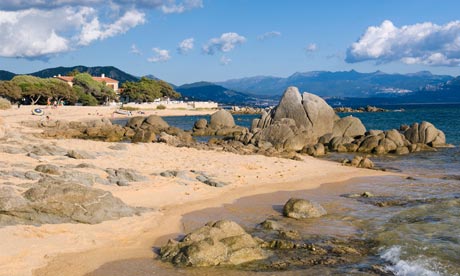
Contrasting landscapes, traditions galore, a variety of dialects. 40,000 monuments including 10,000 châteaux, abbeys and manor houses, 6,000 museums and 1,000 festivals: in France it is diversity that holds sway and the great wealth of its heritage provides remarkable evidence of this.
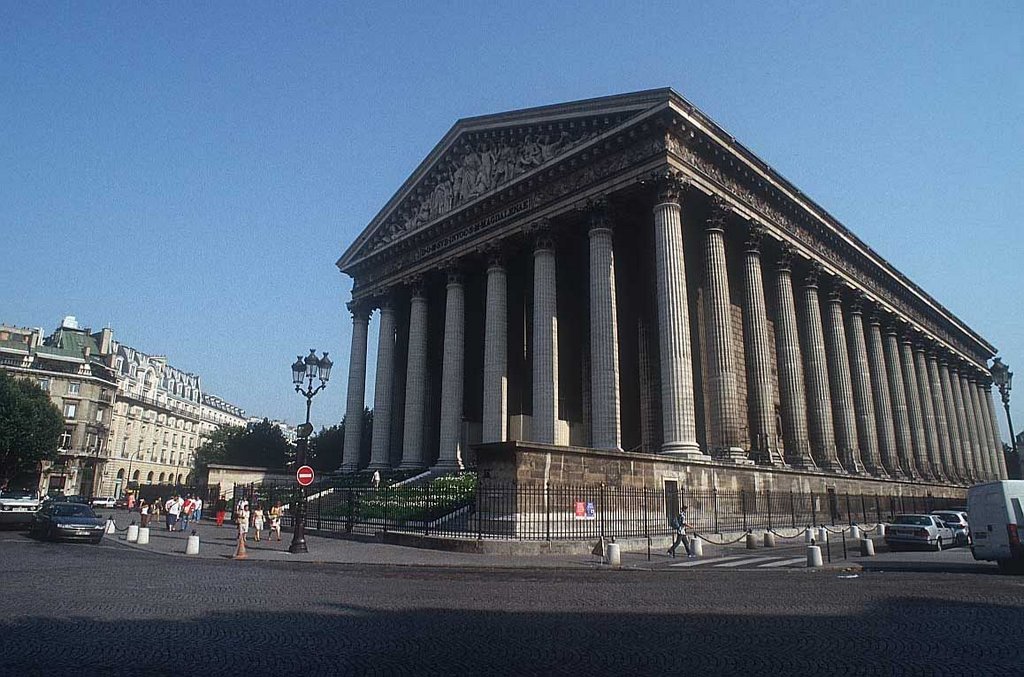
 From museums filled with major works of art to historic monuments emblematic of France's history, from historic routes to interactive centres using the latest multimedia technology - a host of adventures to tell you about France.
 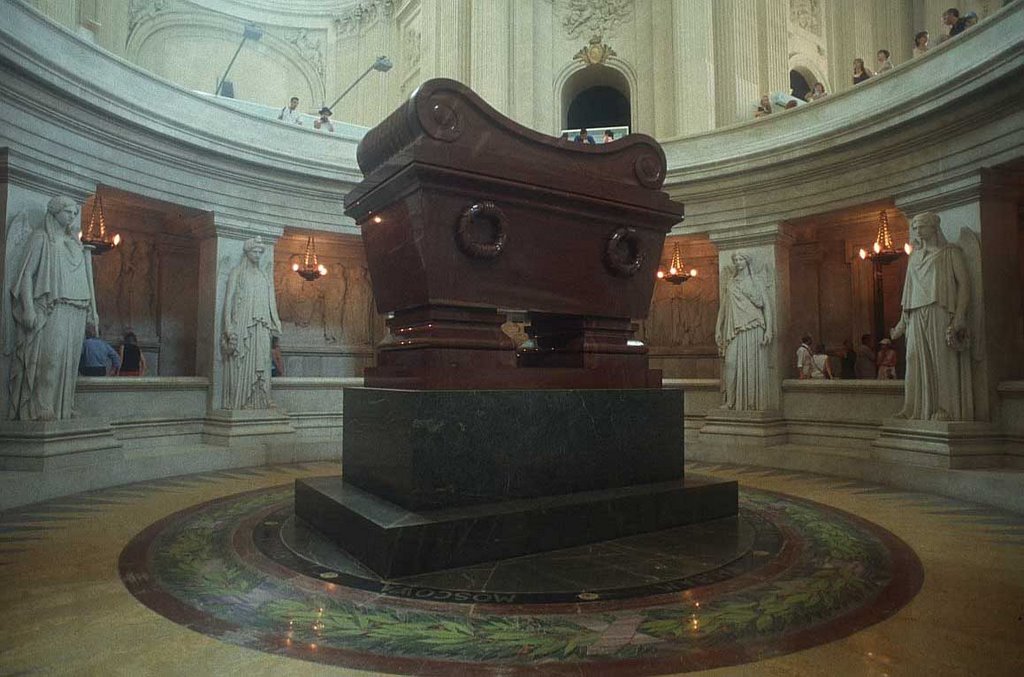 36 resorts in our Seaside Holidays club have special offers.With over 8000 km of pistes, France has the largest ski areas in the world. There is something for everyone, from family-oriented village resorts to the purpose-built resorts where you can ski from your doorstep. There is alpine skiing, nordic skiing, all the new snow-riding techniques, as well as a large range of "natural" activities (snow-shoes, dog-sledding, tours following marked routes...) Villages de Vacances are based on a state of mind that combines authenticity, friendly atmosphere and freedom. the pleasure of fulfilling holidays in a welcoming atmosphere. Discover the regions which produce your favourite wines: Alsace, Burgundy, Champagne, Beaujolais, Jura, Savoie, the Rhône Valley, Provence, Corsica, Languedoc, Roussillon, the South West, Armagnac, Bergerac, Bordeaux, Cognac and Pineau des Charentes, the Loire Valley There are a number of languages of France, although the French language is by far the most widely spoken and the only official language of the country. However, several historical regional languages are still spoken to varying degrees. Some of them are sometimes called patois, but this term (roughly meaning dialect) is sometimes considered derogatory. The real importance of local languages remains subject to debate. Several other languages are spoken by a substantial percentage of the population due to immigration. The best time to visit France's capital Paris is from late spring to early autumn. The city is less busy during the month of August when the residents head out of town.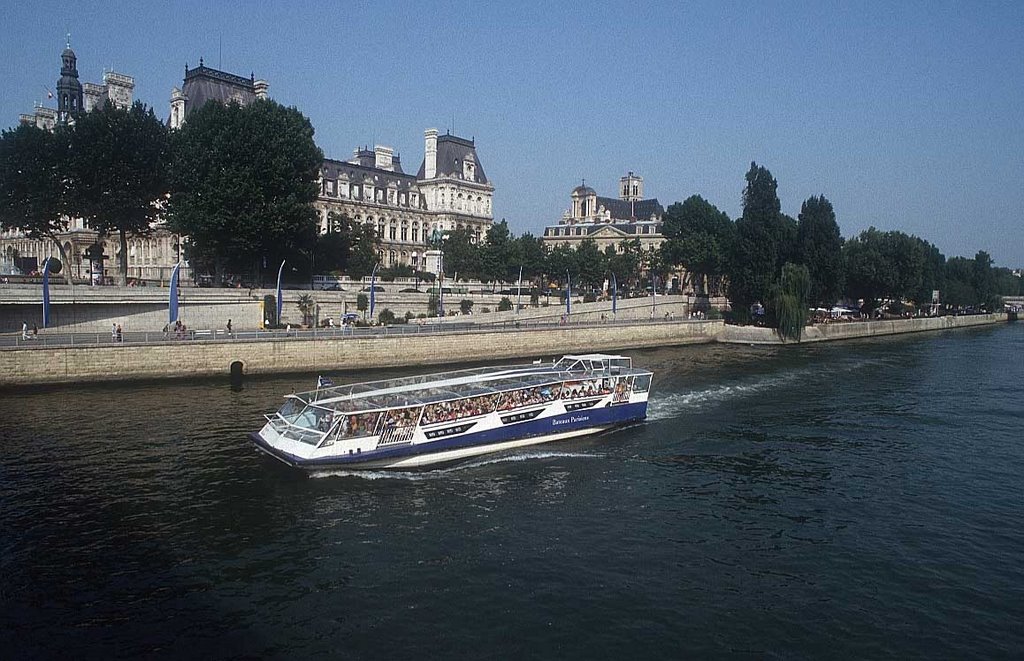
Paris France - Paris Francia - video
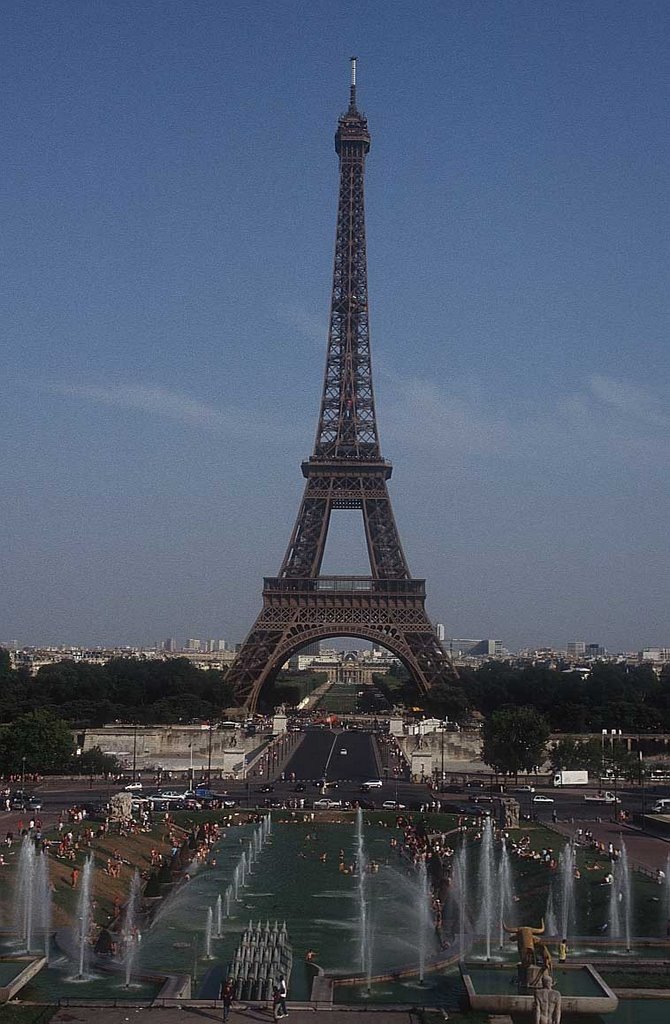
Eiffel Tower:
This towering edifice was built for the World Fair of 1889, held to commemorate the centenary of the French Revolution. Named after its designer, Gustave Eiffel, it stands 320m high and held the record as the world's tallest structure until 1930.
Notre Dame:
The city's cathedral ranks as one of the greatest achievements of Gothic architecture. Notre Dame was begun in 1163 and completed around 1345.
Musée du Louvre:
This enormous building, constructed around 1200 as a fortress and rebuilt in the mid-16th century for use as a royal palace, began its career as a public museum in 1793. In the 1980s, the Louvre was revamped, with the addition of a 21m glass pyramid entrance.
Centre Georges Pompidou:
Designed by Renzo Piano and Richard Rogers in the '70s, the Centre Georges Pompidou is displaying and promoting modern and contemporary art.
Versailles: Beginning in 1664, the construction of the castle lasted viltually until 1715. It remained the residence of the royal family until the Revolution of 1789.
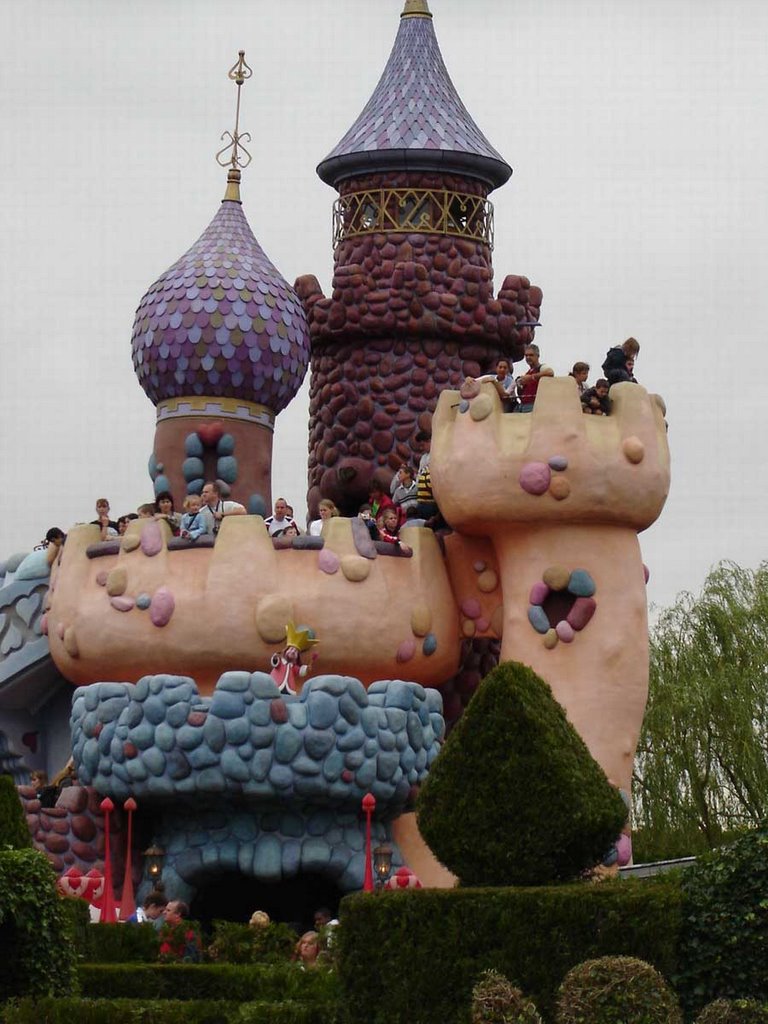
Disneyland Paris: Disney Paris is Europe's most magical adventure for children and adults alike. There are no less than five imaginary lands to enjoy.
For more information: www.francetourism.com/, http://in.franceguide.com,www.franceguide.com/ www.tripadvisor.com/Tourism-g187070-France-Vacations.html www.franceway.com/welcome.htm
courtesy: http://in.franceguide.com, http://en.wikipedia.org

